Local Waterproofing Service Expertise
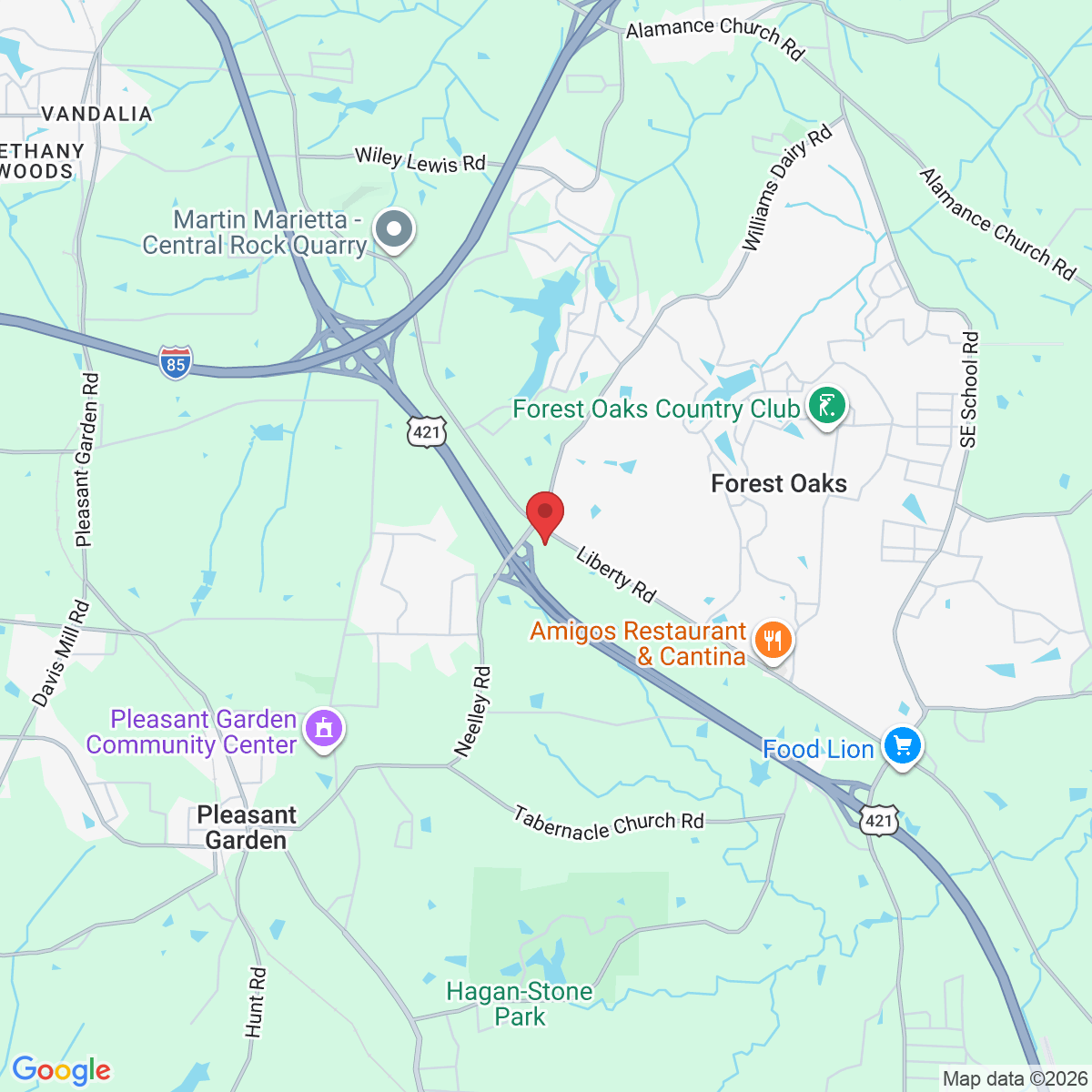
In Lewisville, NC, high humidity and clay-rich soil create conditions where crawlspaces stay damp year-round. Our waterproofing service in Lewisville, NC protects your home from moisture damage by encapsulating crawlspaces, installing vapor barriers, and controlling humidity. Most homes here with unsealed crawlspaces develop mold, wood rot, and structural issues within months of heavy spring rains or summer humidity spikes.
We serve single-family homes and older properties throughout Forsyth County, from the Shallowford Square area to neighborhoods near Tanglewood Park. Whether your home was built in the 1960s with vented crawlspaces or more recently, moisture control saves your foundation, flooring, and air quality.
A dry crawlspace depends on three core steps working together. Each prevents moisture from different sources—ground water, humid air, and seasonal condensation.
We examine your crawlspace for standing water, mold, wood damage, and existing vents. This tells us exactly where moisture enters and how to seal it effectively.
We remove old insulation, debris, and any standing water. We also seal or close vents to prevent humid outside air from entering—a key step for Lewisville homes.
A thick, durable plastic sheet covers the entire floor and extends partway up the walls. This stops ground moisture from rising into the crawlspace.
A commercial-grade dehumidifier pulls excess moisture from the air and keeps humidity between 40–50%. This prevents mold and keeps your home comfortable.
We test humidity levels, check all seals, and ensure your system is working. You receive a summary of what was done and how to monitor your crawlspace going forward.
We offer annual inspections and dehumidifier maintenance so your system stays reliable. This prevents small issues from becoming expensive repairs.
You'll always know what's happening next—and when.
Complete encapsulation seals your crawlspace from outside air and ground moisture. This is the most effective solution for Lewisville homes where seasonal humidity fluctuations and clay soils create chronic dampness. Once sealed, your crawlspace becomes a dry, controlled environment.

Professional vapor barrier installation sealing a crawlspace in Lewisville.
A high-quality vapor barrier alone solves moisture problems for many homes. It's a more affordable starting point if you don't have major structural damage yet. The barrier blocks ground moisture and creates a cleaner crawlspace within days.

Heavy-duty vapor barrier covering crawlspace floor in Forsyth County area.
After humidity from the ground is controlled, a commercial dehumidifier removes excess moisture from the air. In Lewisville's humid climate, this step is essential to prevent mold and protect your home's structure. We install units sized for your crawlspace and handle ongoing maintenance.

Commercial dehumidifier keeping a sealed crawlspace dry and mold-free.
If mold already exists, we address it as part of the waterproofing solution. Mold in Lewisville crawlspaces is common due to moisture and humidity. Our approach removes existing mold and installs systems that prevent regrowth by maintaining proper humidity control.

Clean crawlspace after mold remediation and encapsulation in Lewisville.
Lewisville's climate and soil create unique challenges that standard solutions often miss. Understanding why these issues develop helps you act before costly damage spreads.
In humid NC summers, warm air outside your home meets cool air in the crawlspace. This temperature difference causes condensation—moisture that accumulates even on days with no rain.
The air inside your home is 40% sourced from the crawlspace below. When your crawlspace stays damp, mold spores and moisture-laden air rise into your living spaces through the natural stack effect. This causes musty odors, increases humidity upstairs, and can trigger allergies or asthma in family members.
Sagging floors, soft spots, and creaking sounds are signs that wood joists and beams have begun to rot. Once structural damage starts, repairs can cost thousands of dollars.
Much of Lewisville sits on clay and compacted soil that holds water. After rain—common in spring and summer—the ground beneath your home stays saturated for days. This pushes moisture up through vents and through the soil itself, overwhelming old crawlspace designs that rely on air circulation.
Homes built 30+ years ago often have vented crawlspaces designed for a drier climate. These vents now act as open doors for humid air to enter.
The Cost of Waiting
Unaddressed crawlspace moisture leads to floor joist replacement (often $3,000+), mold remediation, reduced home resale value, and ongoing health concerns. Prevention through waterproofing and encapsulation is far less expensive than structural repairs.
We serve single-family homes throughout Forsyth County and the greater Lewisville area. Every project is customized for your specific soil, drainage, and building age.
Near Shallowford Square, many homes are 40–60 years old with original vented crawlspaces. We seal these systems and install modern moisture control to prevent seasonal damage.
Newer and mid-range home developments in Lewisville still benefit from encapsulation. Clay soils and humidity create crawlspace challenges even in recently built homes.
Properties adjacent to Tanglewood Park, Jack Warren Park, or natural drainage areas face higher water tables. We design systems that handle above-normal groundwater.
Waterproofing stops mold by combining three strategies: blocking ground moisture with a vapor barrier, sealing vents to prevent humid air entry, and installing a dehumidifier to keep air moisture below 50%.
Waterproofing is not a band-aid—it's a permanent system that works with your home's natural conditions.
Common signs include musty odors in your home, soft or sagging floors, visible mold or dark stains on beams, peeling paint on floor joists, or high indoor humidity that won't drop even with air conditioning running. Many homeowners discover problems only after noticing these symptoms indoors—the crawlspace itself stays out of sight.
Yes. We remove standing water first, then install drainage systems if needed, and finally apply the vapor barrier and dehumidification. Standing water indicates a drainage problem, which our inspection identifies and addresses before waterproofing begins.
Yes. A sealed, dehumidified crawlspace acts as insulation and stabilizes floor temperature. Many homeowners notice lower heating and cooling costs because HVAC systems don't have to work as hard to manage humidity. Sealing the space can reduce energy loss by 10–15% in some cases.
Dehumidifiers need annual filter changes and inspections to ensure they're working. Vapor barriers rarely need service—they're designed to last 30+ years. We recommend annual crawlspace inspections to check humidity levels and catch any new moisture sources before they cause damage.
Yes, for encapsulation to work in NC's humid climate. Open vents let humid outdoor air continuously enter your crawlspace. Research shows that sealed crawlspaces stay drier than vented ones, even in humid regions. Closing vents is a key part of waterproofing success.
Absolutely. A sealed, dry crawlspace with encapsulation is a major selling point and can increase home value. Buyers are wary of moisture issues because they're expensive to fix. Waterproofing demonstrates that the foundation is protected and well-maintained.
DISCOVER WHAT OUR CUSTOMERS HAVE TO SAY ABOUT US